
Preparing a workforce to deliver clean energy to New York City buildings
This intensive trains NYCHA residents to install clean energy systems in their homes — and beyond.
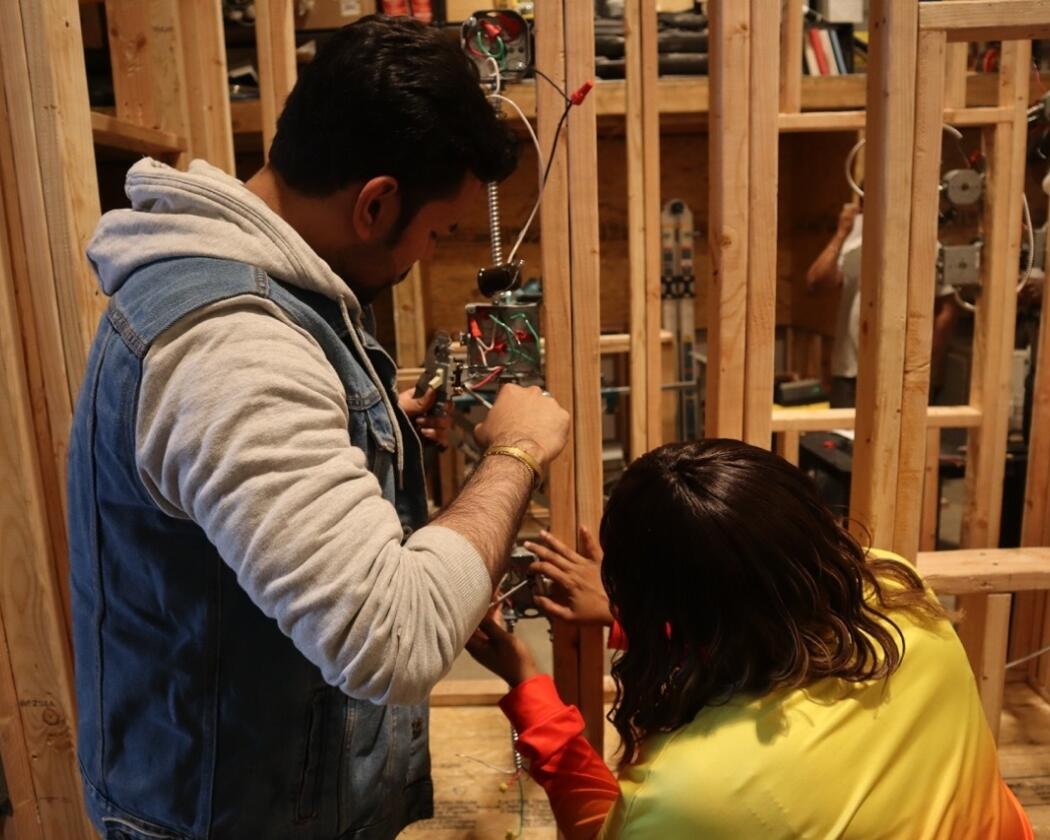
NYCHA Clean Energy Academy students work on a project wiring electricity to a wood frame structure. Photo: Carrie Klein
After a lunch break, a group of 15 students break into small groups at a Long Island City workshop to begin their next activity: Wiring a light bulb to a light switch. The switch is attached to a wooden house-like structure that the students built at the start of their training in March. By the end of eight weeks, they will have installed solar panels and an electric heat pump onto the structure.
The students are enrolled in New York City Housing Authority’s Clean Energy Academy, and by the end of the program they will also be ready for hire on clean energy job sites across New York City, where there is plenty of work to be done. The requirement under Local Law 97 (LL97) that large buildings significantly reduce their emissions in the coming years has created a broad need for building electrification, and a workforce to match. “We can pretty much guarantee that there’s going to be a future in sustainability,” said Gary Smith, a senior instructor at Solar One, the nonprofit education organization that runs the training.
The Clean Energy Academy is exclusively open to NYCHA residents, with the aim that they will contribute through paid internships and jobs to decarbonize NYCHA developments, which have their own, strict LL97 timeline separate from other building types. This year, the program will train 75 residents and offer them each a $1,500 stipend.
The Academy starts with a course on building science and sustainability, including the origins of climate change. Buildings, the course explains, use an enormous amount of energy — especially in New York City, where they make up nearly 70 percent of emissions. That’s why learning the skills to transition them from fossil fuels to clean energy matters, Smith said. “We are heading down the unsustainable path with respect to our consumption of fossil fuels and the release of CO2 into the environment,” he said. “I understand how dire it is and how important it is for us to combat climate change by building infrastructure that can reduce our carbon emissions over the long term.”
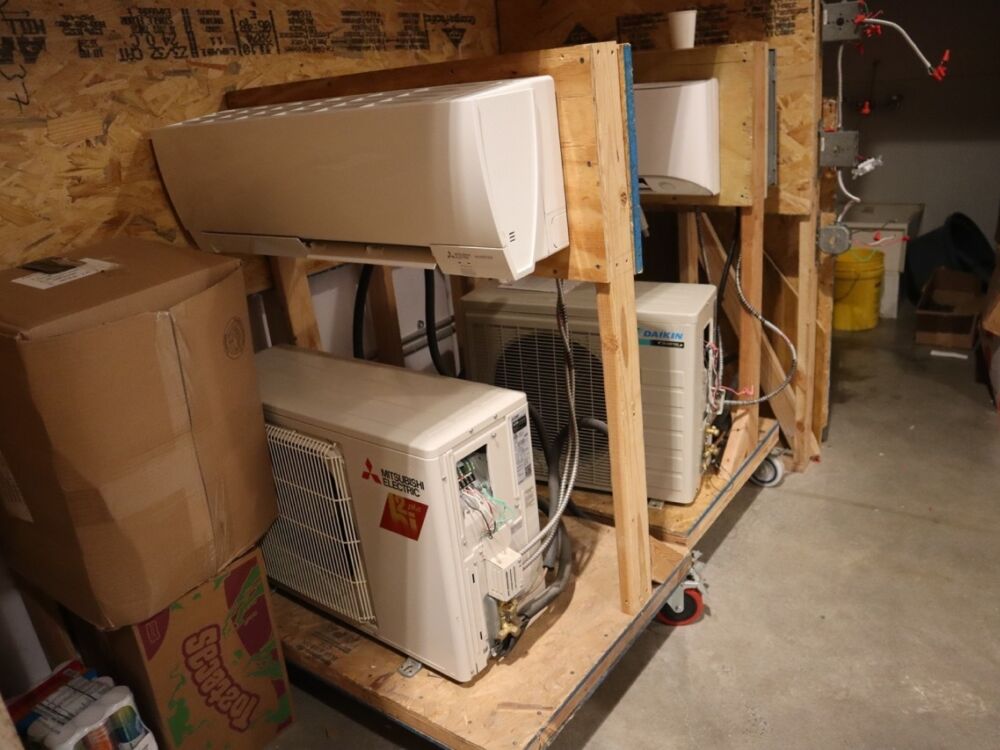
Mini split heat pumps are used as demonstration materials for NYCHA Clean Energy Academy students. Photo: Carrie Klein
Each week, participants spend 40 hours in classrooms and a teaching workshop where they learn new skills, from the basics of construction, to electric work, plumbing, and how to service heating, ventilation, and air conditioning (HVAC) systems. Along the way, they test their knowledge and earn certifications, including a safety certification from the U.S. Department of Labor, and an EPA certification allowing graduates to work on HVAC equipment. Students leave with “all the certifications that get them on a job site,” said Alex Zablocki, executive director of the Public Housing Community Fund, a nonprofit that raises money to support the roughly 500,000 residents living in public housing across the city. The fund helps connect students with contractors for paid internships following the academy, many for clean energy projects on NYCHA sites. Last year, the program placed 28 students in jobs.
30-year-old Alize is a Clean Energy Academy student who was working that day in Long Island City on electrical wiring. Beyond receiving a stipend for the training, “Ultimately, I wanted to have life skills that I could possibly flourish in a related field with,” she said. Her mom works in construction and this was Alize’s first time dipping her toes into a similar trade. She hopes the knowledge she’s gaining now can help her to eventually work in management in clean energy.
Transitioning New York City buildings to clean energy is a mammoth task, but one with the potential to build out a new part of the city’s economy. The New York City Economic Development Corporation projects the clean energy sector could host nearly 400,000 jobs by 2040. And already, there are around 30 training programs like the NYCHA’s preparing New Yorkers for green jobs.
“Arguably, there’s no part of the city’s economy with more potential to create long term growth than the green economy,” said Eli Dvorkin, editorial and policy director at Center for an Urban Future, an independent policy and research organization.
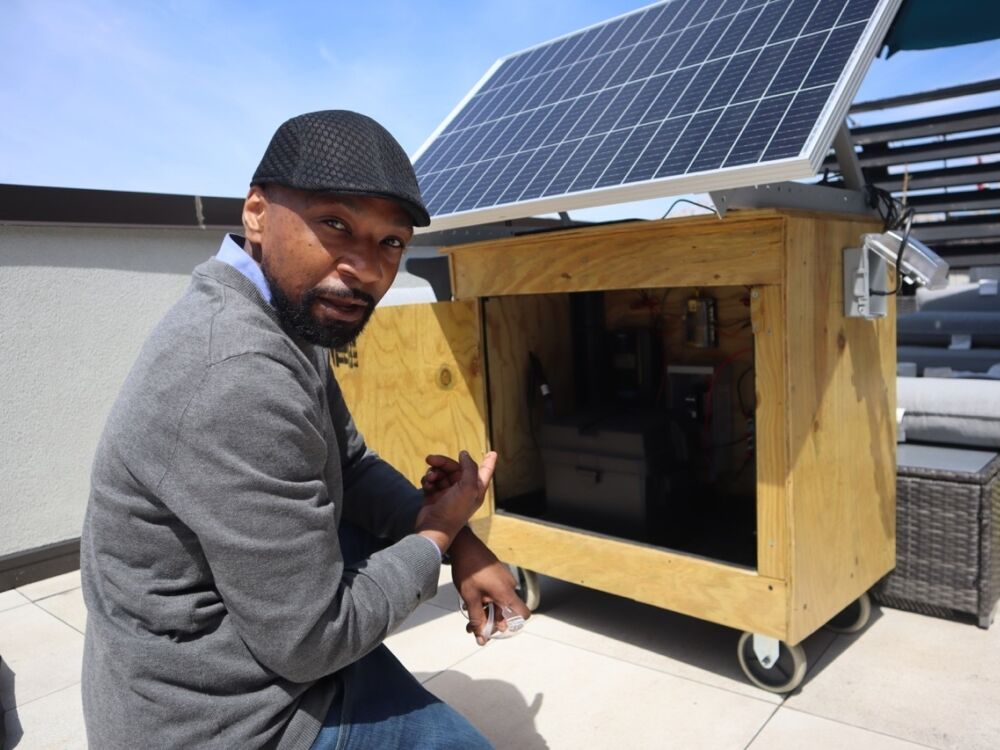
James King, the director of training for workforce at Solar One, the education nonprofit that runs the NYCHA Clean Energy Academy. Photo: Carrie Klein
As this sector expands, Dvorkin points out that it’s important for clean energy jobs to go to people from underserved communities that have borne the brunt of environmental injustices for decades. These communities should “be first in line to actually get the good green jobs that are going to be growing in the years ahead.” he said.
But the green job market is “far away from being fully charged,” said Dvorkin. In a 2025 report on the state of New York City’s green economy, Dvorkin and co-authors found that while buildings are required to reduce emissions, the pace of actually accomplishing that has been slow. Since 2017, only around 400 permits have been filed with the Department of Buildings for new heating and cooling systems in multifamily residential buildings — the permit needed to electrify a building’s heating and cooling system. Meanwhile, a majority of buildings successfully filed their LL97 compliance reports for 2025, but experts expect many more buildings to be out of compliance with emissions caps by 2030.
Retrofits and electrification, already expensive and complex, have also become more costly with rising price inflation and tariffs, along with cuts in federal funding for clean energy projects. Federal tariffs implemented over the past year have raised prices for construction materials in New York City by around 10 percent, according to a report by the Manhattan Chamber of Commerce. The likely impact of rising costs is fewer projects moving forward — and fewer job openings for New Yorkers graduating from programs like the Clean Energy Academy, said Dvorkin: “If we want to see the jobs created, if we want to see the climate benefits, we’re going to have to make [building decarbonization] easier than it is right now, and unfortunately it’s gotten harder.”
But there are signs that the green job market could improve soon, in New York City at least. In April, the Mamdani administration announced an expansion of the NYC Accelerator program, a free service to help co-ops, condos, property managers, and building owners navigate LL97 and undertake projects to reduce emissions. Beyond that, the Center for an Urban Future’s report recommends the city establish a green building fund to lower borrowing costs for buildings that want to get into compliance with local law.
For those with clean energy training certifications, there’s also opportunity in the fact that the existing workforce is aging: The Center for an Urban Future’s analysis found that 41 percent of all construction and building inspectors in New York City are over the age of 55; That’s 23 percent for electrical engineers, 22 percent for electricians, and 21 percent for HVAC installers.
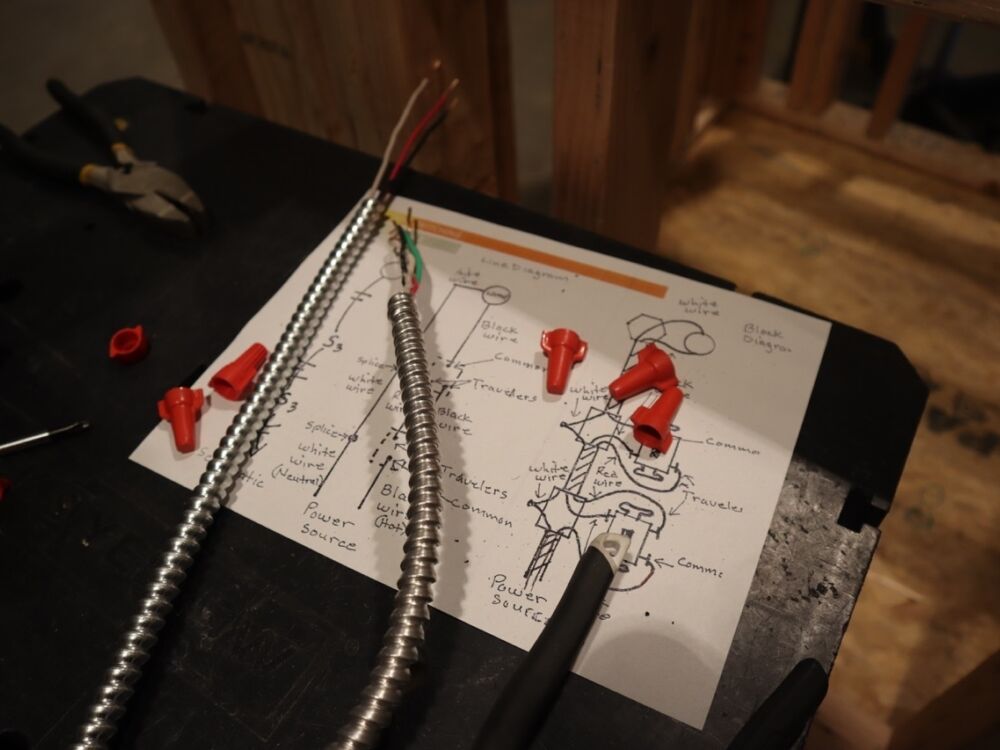
Materials, tools, and diagrams all feature in the lessons Clean Energy Academy students take over the eight-week program. Photo: Carrie Klein
While some buildings are lagging behind their required emissions reductions work and choosing to pay fines instead, the city is poised to “be a best in class employer in these green fields,” Dvorkin said. That’s because at least a portion of these green jobs will necessarily have to come from NYCHA; the housing authority is required under federal law to source a portion of its workforce from public housing residents. “We’re already creating an ecosystem that demands NYCHA residents work on these job sites,” said Zablocki, who hopes the private sector will also look to the Clean Energy Academy workforce to hire in the future.
Clean energy work in public housing is only set to expand — in late April, Mayor Mamdani released an updated sustainability agenda for NYCHA that includes transitioning 20,000 apartments from fossil fuel heating to clean energy, installing induction stoves, and adding electric vehicle charging stations.
“It would be the wrong answer to just push LL97 compliance further down the road,” Dvorkin said, “but we have to take seriously what those barriers are to actually getting into compliance.” Breaking those barriers down, he said, will start New Yorkers on the path to clean energy careers to ultimately lower the city’s emissions and get closer to meeting climate goals.