

Tyrone Thomas: “Stay engaged, even if they’re upset”
Tenant engagement, specialized support, and independent oversight were key to managing the retrofit at Harlem River Houses, even as it remained a bustling, active community
The “Planet Harlem River” mural, created by artist Paul Deo in collaboration with residents of Harlem River Houses, depicts residents of the neighborhood past and present. Photo: Natasha Ishak
A year after the rehabilitation of New York’s historic Harlem River housing complex began, Tyrone Thomas was relieved to have the slog of the most intensive construction finally behind him. As the general manager with C+C management, which oversees the city-owned property, handling the public housing property was no light task. It included overseeing nearly 700 apartments through a years-long upgrade project, handling construction timelines and contractors for the upgrades, and also managing the public housing complex’s hundreds of tenants through the process, many of whom have lived there for nearly half a century.
“These are people that have been in their apartments for 30, 40 years,” said Thomas. Understandably, they didn’t all welcome change — and managing their emotions about the process was a large part of Thomas’s day-to-day work.
Balancing day-to-day operations and tenants’ well-being during the property’s rehabilitation was paramount for Thomas. The work was not always easy, but there were a few things that Thomas said helped his team keep things running relatively smoothly. Consistent resident engagement was one of them; management held monthly town halls so that they received routine feedback from tenants. That direct feedback was important to keep the lines of communication with tenants open throughout the entire process. The firm also maintains a social services arm which helps tenants with issues beyond the construction and routine maintenance concerns.
“[You need to] stay engaged even if they’re yelling, even if they’re upset,” said Thomas, who noted his office applies an “open door” policy for residents. “These are people who’ve been in certain conditions for a long period of time. Be patient with them.”
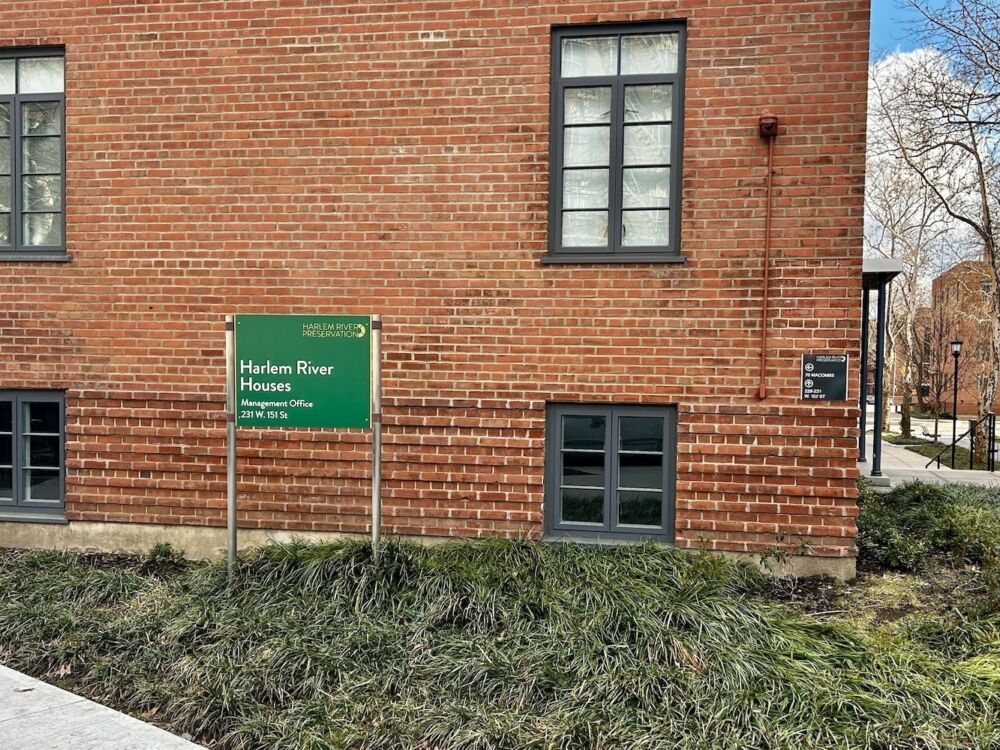
Harlem River Houses management office. Photo: Camille Squires
Another key factor that helped the firm mitigate issues during the retrofit was dedicating specialized teams to address specific needs. Many of the upgrades meant tenants had to temporarily relocate for six weeks while their units were undergoing construction. The firm tasked a dedicated team with supporting tenants’ relocation process, in order to help alleviate some of the burden on individual residents. The relocation team not only coordinated with residents during their moves in and out of the original units, but representatives were also on site when the moving service arrived, and even helped tenants pack their belongings.
Thomas believes that this hands-on approach made a big difference with residents. “We were able to do [tenant relocations] not seamlessly, of course with little hiccups here and there, but we were able to resolve most of the issues with that kind of care and engagement,” he said.
Beyond his team’s work, the general manager credited the rigorous oversight that comes with the Permanent Affordability Commitment Together (PACT) program with holding the HRH complex accountable.
“They’re coming to want to inspect [everything]. They want to see what’s going on, to make sure that we’re doing everything that we’re supposed to do to resolve issues,” Thomas said.
Those extra eyes helped ensure that tenants’ well-being remained a priority for management, both during the construction and thereafter.